Ridge Tiles vs. Mortar: Which Is Best for Your Roof?
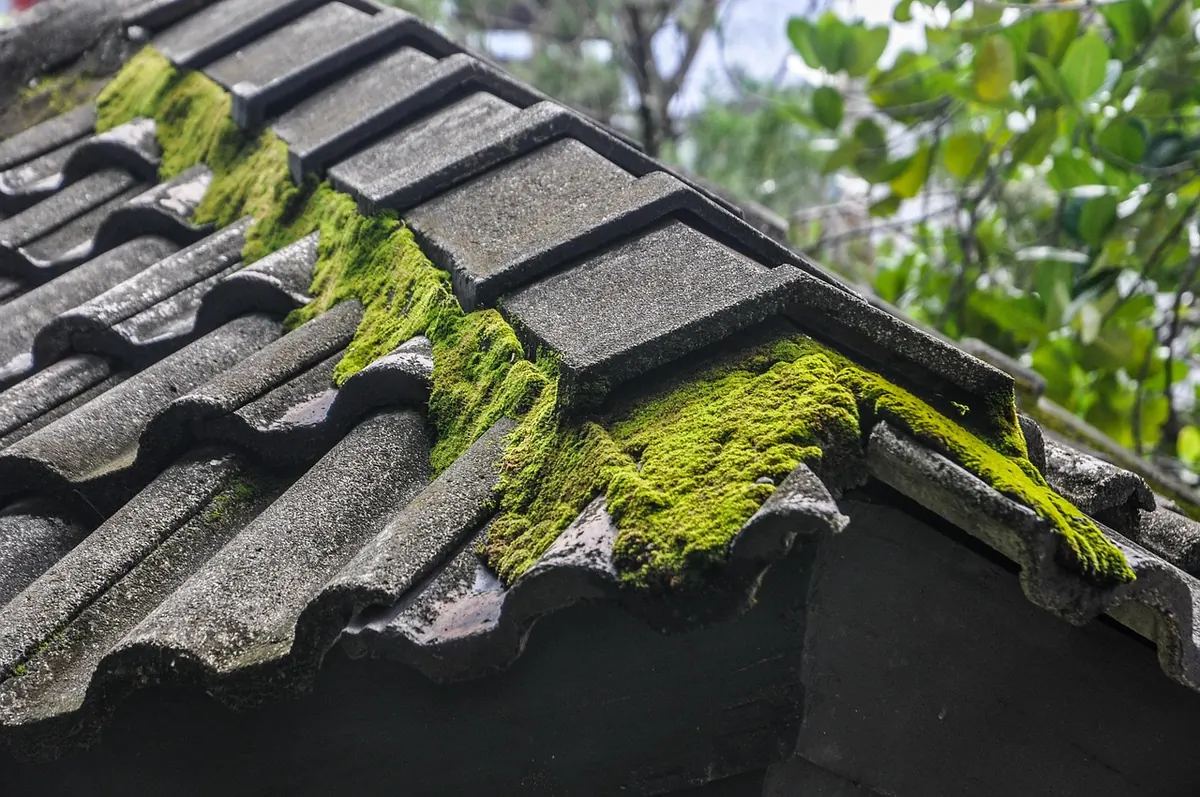
Stand at the end of your road and look up. Almost every roof has a line of tiles capping the peak — the ridge. It is the part that meets the wind first, takes the worst of the driving rain, and holds the two slopes of the roof together at the top. When it fails, water gets in quickly, and the repair is rarely cheap.
So when a roofer quotes for a new ridge, the real question is simple: mortar or dry fix? Both are legitimate. Both have a place. Which one suits your roof depends on the tiles you have, how exposed the building is, and how much you want to think about it again in a decade.
What the Ridge Actually Does
Ridge tiles cap the junction where two roof slopes meet. They shed water away from the apex, weigh the top of the roof down, and hide the gap between the two runs of tiles below. The same job is done by hip tiles along the sloping edges and by verge details at the gable ends.
There is a second, less obvious job. Roofs move. Timbers expand and contract with heat and moisture, and a long ridge can shift by a few millimetres across its length. Whatever holds the tiles in place has to cope with that movement without cracking or letting water through. That single requirement is behind most of the argument between mortar and dry fix.
Traditional Mortar Bedding
Mortar bedding is the method most people picture. The tiles are laid on a bed of sand and cement mix, usually over a ridge board or the apex of the roof, and the joints are then pointed up. Done well, it looks neat and traditional, and on a period property it is often the only visually correct option.
The materials are cheap. The labour is not. A good roofer will take time over the bedding and the pointing, because that is what keeps the weather out. Mortar is strong in compression but brittle in tension — it does not stretch. When the roof moves, the mortar cracks. Once cracked, frost gets in, the crack widens, and the next storm lifts tiles.
One important point: mortar alone is no longer considered sufficient as a fixing on many roofs. Current British Standards expect ridge and hip tiles to be mechanically fixed, with mortar used alongside those fixings rather than instead of them. If a quote mentions mortar only, with no screws, clips or straps, ask why.
How Dry Ridge Systems Work
A dry ridge system does away with the mortar bed entirely. Instead, a batten or bracket runs along the apex, and each tile is clipped or screwed to it. Beneath the tiles sits a flexible waterproof membrane — sometimes called a gasket or ridge seal — that laps over the top course of tiles on both slopes. Water cannot get past it, but air can, so the roof stays ventilated.
The practical benefits add up:
- No mortar to crack, so no re-pointing later on.
- Every tile is individually fixed, which matters on exposed sites and high ridges.
- The ridge is ventilated, which helps reduce condensation in the loft.
- Single tiles can be removed and replaced without disturbing the run.
- Installation is quicker, so the labour element of the bill is usually smaller.
The drawbacks are real but modest. The components cost more than a few bags of sand and cement, and cheap gaskets can perish over time in strong sunlight. Appearance is slightly different too — there is a visible line under the tiles where the membrane sits, though on most roofs it is barely noticeable from ground level. Systems also need to match your tile profile, which is why a roofer should specify the exact product before starting.
Cost: The Upfront Figure and the Long Game
Dry fix generally costs more in materials and less in labour. On a straightforward roof the two totals often land close together, and on a large or complicated roof with hips, valleys and multiple ridges, a dry system can work out cheaper overall because it goes on so much faster.
Where dry fix pulls ahead is whole-life cost. A mortar ridge will usually need attention at some point in its life — re-pointing, replacing lifted tiles, dealing with cracks after a hard winter. A dry ridge should not. Many systems also carry manufacturer warranties when they are fitted by an approved installer, which is worth asking about specifically. If a warranty is quoted, find out who honours it and what invalidates it.
If you are only replacing a handful of tiles, or patching a ridge that is otherwise sound, mortar is often the sensible route. A full ridge replacement is a different decision.
Durability and Weather Performance
Exposure is the deciding factor for a lot of roofs. A bungalow on a coastal hill takes far more wind uplift at the ridge than a sheltered terrace in a valley. Mortar beds in those exposed spots are the ones that fail first, and they tend to fail at the worst time of year.
Dry systems were developed with wind uplift in mind, and the mechanical fixings are tested for it. They also tolerate movement far better, because a clip or screw allows a small amount of flex where a rigid mortar bed does not. That does not make them indestructible — a poorly fitted dry ridge with the wrong brackets, or with tiles not seated properly on the membrane, will leak just as readily as bad mortar work.
Maintenance: What Each One Asks of You
Neither option is maintenance-free, but the work is different.
With mortar, check the ridge once a year from ground level with binoculars, and after any named storm. Look for cracked or missing pointing, tiles that have shifted, and moss growth holding water against the bed. Prompt re-pointing of a small area costs far less than waiting until a section lets go.
With dry fix, the checks are quicker:
- Look for tiles that have lifted or slipped out of line.
- Check the membrane is still tucked over the top course of tiles.
- Look for gasket that has hardened, split or blown out at the ends.
- Clear moss and debris, which trap moisture against the ridge line.
If you are not confident on a ladder, do not go up. A roofer with the right access equipment will check it in minutes.
Choosing With Confidence
For a full ridge replacement on a modern roof, dry fix is usually the better long-term buy. For a period property, a conservation area, or a small repair on an otherwise healthy ridge, mortar may be the right call — and in some cases it is the only option that will satisfy a conservation officer.
Before you commit, ask your roofer these questions:
- Will the tiles be mechanically fixed, as well as bedded or clipped?
- Which dry ridge system is specified, and is it compatible with my tiles?
- Is the ridge ventilated, and does that suit my loft insulation and ventilation?
- Is scaffolding included in the quote, and who arranges it?
- What warranty applies, and does it depend on using an approved installer?
Get at least three written quotes that specify the method, not just the price, and check that the firm has public liability insurance and any relevant trade accreditation. The cheapest quote that does not say how the tiles are fixed is not a quote worth comparing.
Photo: ekysanti23 / Pixabay