A Beginner's Guide to Buying Second-Hand Furniture Safely
October 09, 2026 - DIY

October 09, 2026 - DIY

October 05, 2026 - Interiors

October 01, 2026 - Inspiration
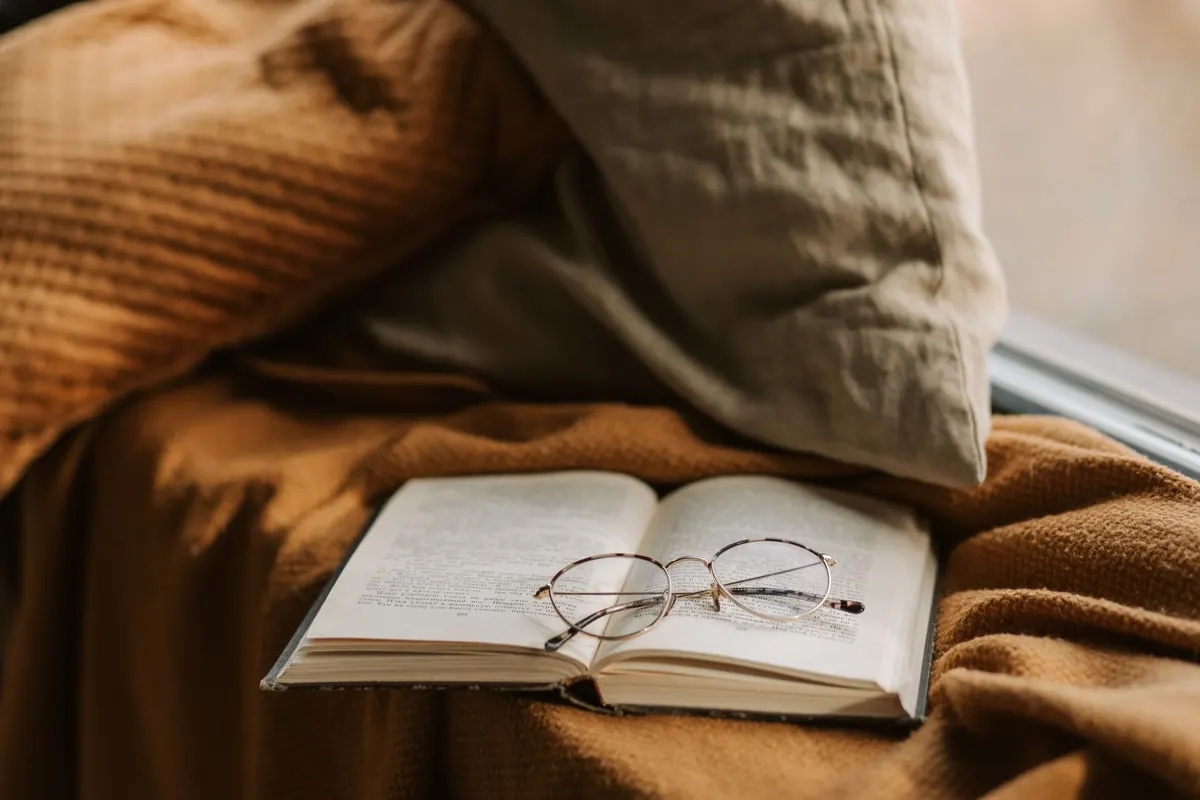
October has a habit of arriving before you are ready for it. One evening you are eating outside, the next you are reaching for a jumper and noticing that the corner of the sitting room has gone completely dark by half past five. None of that is a problem. It is simply easier to deal with in September than in the middle of a cold snap. The ten points below take an afternoon or two in total, and the house will feel settled long before the clocks change.
Throws and blankets are the fastest way to change how a room feels, and the cheapest. Aim for one throw per seat rather than one per room: wool or a wool blend over the back of the sofa, another on the armchair, and a folded one in a basket within reach of whoever always ends up on the floor. If your sofa has been in the same pale linen since May, swap the covers for something with weight — boucle, brushed cotton, corduroy — and store the summer ones in a labelled bag so you are not hunting for them in April.
Add a blanket at the foot of the bed before you switch the whole duvet; early October nights still surprise you. Brushed cotton sheets make more difference than most people expect, and they wash well. A wool rug on bare floorboards, with an anti-slip mat underneath, holds warmth and softens sound better than anything else you can buy for the money.
Ceiling lights are for hoovering; lamps are for living. If your evening light comes from one pendant in the middle of the ceiling, the room will feel dim and slightly institutional. Aim for two or three separate points of light in the rooms you use after dark — a floor lamp beside the sofa, a table lamp on the sideboard, a small lamp on a shelf. Choose warm white bulbs and dimmable where you can, and put anything in an awkward corner on a plug-in timer so it comes on at dusk without you thinking about it. A lamp left on in the hall does more for the feeling of coming home than anything else on this list.
Keep them on a stable surface, well away from fabric, always in a holder with a rim, and never leave a room while one is burning. Tea lights get hot enough underneath to mark a shelf.
Draughts are easier to find in September than in January, when you have stopped noticing them. On a breezy day, walk round the house holding the back of your hand near the edges of doors, windows, letterboxes and skirting boards. Cold air moving is easier to feel than to see. The usual culprits:
Don't seal air bricks, trickle vents or extractor fans. Homes need to breathe, and a damp, stuffy house feels colder than a draught-free one that can still move air. If condensation is already a problem, sort that first.
Most of the cold you feel indoors arrives through your feet. If carpets are out of the question, a decent rug where you actually sit — under the sofa, in front of the fire, beside the bed — does most of the work. Sheepskin over the back of a wooden dining chair turns it into somewhere you want to stay. Then set out the practical things: a basket of thick socks and slippers by the front door, a tray for wet boots, and a spare pair of house shoes for guests.
Autumn scent works best in layers rather than one overpowering candle. A reed diffuser in the hall, a candle in the sitting room and something in the kitchen is plenty for most houses. Notes that suit the season: fig, cedar, amber, clove, smoked wood, with a little bergamot to stop it all going syrupy. Keep it simpler still in small rooms.
If you would rather not burn anything, simmer orange peel, a cinnamon stick and a few star anise in a pan of water on a low heat for an hour — watch the pan and top the water up. Linen spray on curtains and cushions is a quieter option again. Keep scent light if anyone at home has asthma or allergies.
If you would rather do this in one go, work in this order. Walk the house first and note the cold spots and dark corners — twenty minutes at most. Then handle the doors, because draughts undo everything else. Move the lamps. Wash and store the summer textiles and bring out the wool. If you plan to light an open fire, have the chimney swept before the first burn, and test your smoke and carbon monoxide alarms at the same time as you change the clocks
Photo: Vlada Karpovich / Pexels
A practical guide to buying second-hand furniture: how to measure, inspect and question before you commit, plus...
North-facing rooms needn't feel cold or dingy. Here's how warm colour, layered lighting, mirrors and texture can...
October 09, 2026 - DIY
October 05, 2026 - Interiors
Copyright © 2026 Amber Nest. All Right Reserved.